Non-IT Roles
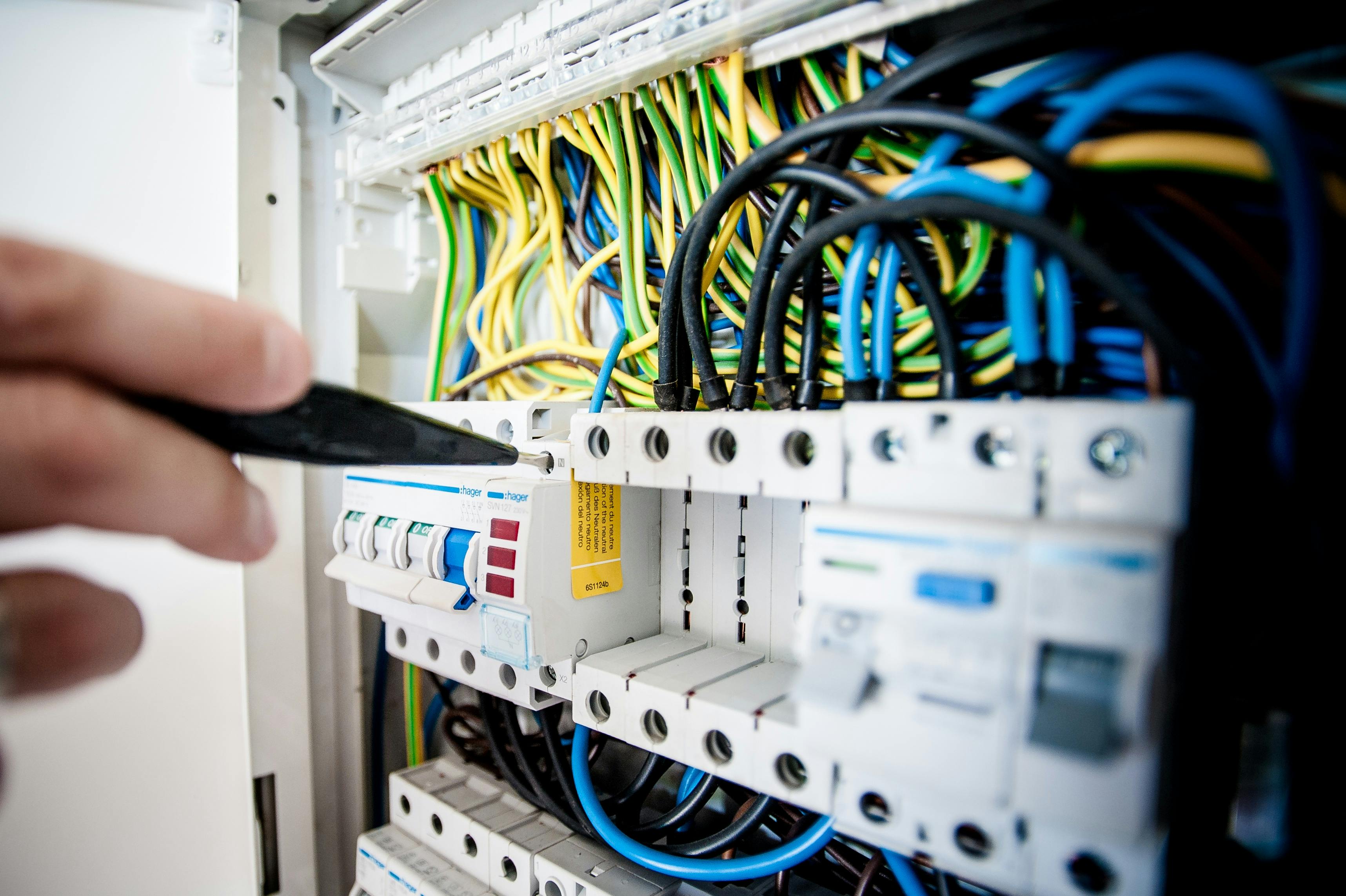
Electrical Engineer
An Electrical Engineer designs, develops, and maintains electrical systems and components—from power distribution and control systems to electronics and embedded systems.
- Design electrical circuits, systems, and components for power, control, or signal applications.
- Support testing, troubleshooting, and compliance with safety and regulatory standards.
- Work with cross-functional teams to integrate electrical systems into larger products or facilities.
Role Snapshot
Power & Control
Power systems, PLCs, Drives
Automation
Electronics
Circuit design, PCB
Embedded systems
Standards
NEC, IEC, Safety
Compliance
Tools
MATLAB, SPICE, CAD
Simulation
Core Responsibilities
- System Design & DevelopmentDesign electrical systems and components to meet performance, safety, and cost requirements.
- Testing & ValidationPlan and conduct tests to validate performance and ensure compliance with standards.
- Troubleshooting & SupportDiagnose and resolve electrical issues in development and production environments.
- Documentation & CoordinationDocument designs and coordinate with mechanical, software, and project teams.


Why Electrical Engineers Are in High Demand
Electrification and automation continue to increase demand for electrical engineers. Skilled professionals are essential in energy, manufacturing, and technology sectors.
High Salary Potential
Cross-Industry Demand
Strong Career Growth

How Rexicon Positions You for Success
- Profile OptimizationEngineer your profile to highlight measurable impact and U.S. market alignment.
- Strategic ApplicationsTarget high-value opportunities with precision-crafted applications.
- Interview PreparationMaster technical and behavioral interviews with structured frameworks.
- Salary Negotiation SupportSecure competitive compensation aligned with market standards.

Position Yourself for End-to-End Success.
Your electrical engineer career deserves a structured, strategic approach.
Book Strategy Consultation